

Introduction: Why So Many Aesthetic Practitioners Struggle to Get Clients
One of the most common frustrations among UK aesthetic practitioners is not training — it’s clients.
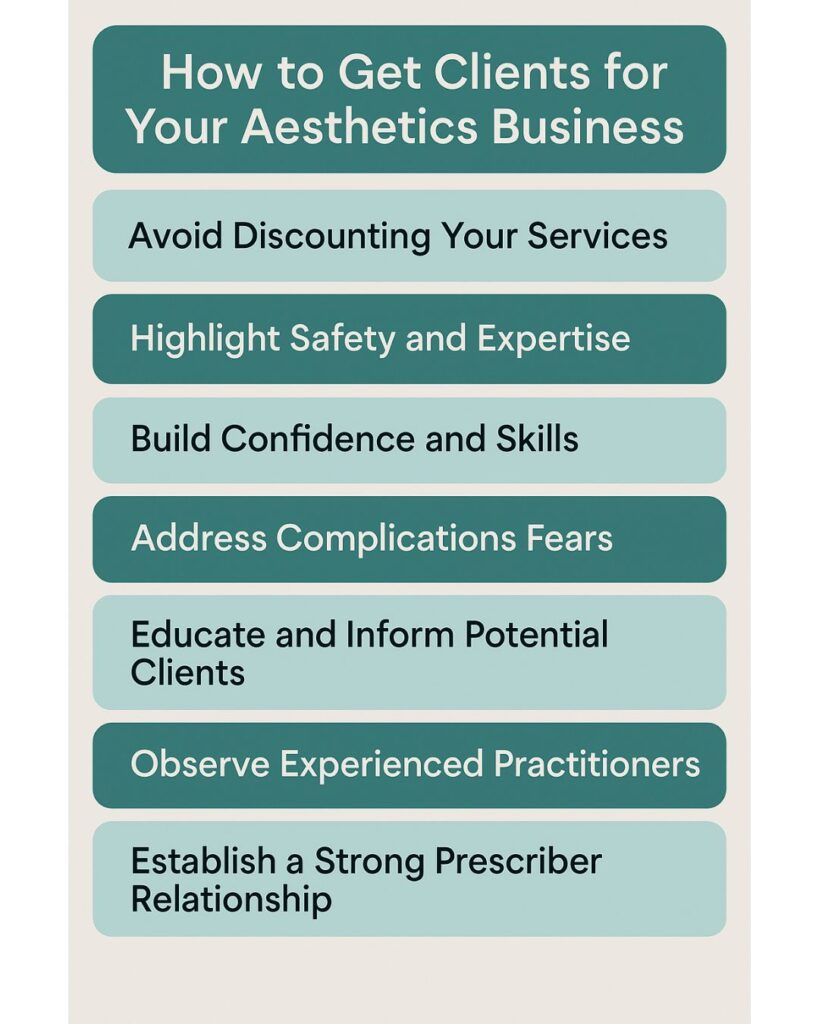
After completing Botox training, filler training courses, or skin booster training, many practitioners expect bookings to follow naturally. Instead, they find themselves searching:
- How to get clients for my aesthetics business
- How to get Botox clients
- How to get filler clients UK
- Why is my aesthetics clinic quiet?
The reality is that qualifications alone no longer drive demand. The UK aesthetics market is saturated with providers offering similar treatments, similar prices, and similar social media posts.
This article explains how client behaviour has changed, why discounting no longer works, and how to build a steady flow of patients without exhausting yourself or compromising safety.
Why Discounting Stops Working (and Damages Your Brand)
Discounting is often the first strategy practitioners turn to when bookings slow down. While it may create short-term spikes, it causes long-term problems.
Discount-led clinics often experience:
- Price-driven, non-loyal clients
- Increased complaints and unrealistic expectations
- Pressure to over-treat or rush consultations
- Reduced confidence and professional boundaries
Clients attracted by discounts are rarely looking for expertise, safety, or long-term care. In contrast, sustainable clinics attract patients who value trust, education, and professionalism.
How Clients Actually Choose Aesthetic Practitioners in 2026
Modern aesthetics clients are more informed and cautious than ever before. They are no longer asking, “Who is cheapest?” — they are asking, “Who feels safe?”
Key decision factors include:
- Practitioner confidence and communication
- Visible safety standards
- Clear consultation processes
- Ethical boundaries (including willingness to say no)
- Professional reputation and consistency
This shift explains why many experienced practitioners outperform newer injectors who rely heavily on promotions.
Positioning Yourself as a Safe Choice (Not Just an Injector)
Safety is one of the strongest subconscious drivers of patient trust — even when clients don’t articulate it directly.
Practitioners who attract consistent bookings often:
- Talk openly about consultation and assessment
- Educate patients rather than sell treatments
- Set clear expectations around outcomes and risks
- Avoid “overfilled” or trend-chasing results
This positioning reassures patients and reduces red flags — particularly important in a climate where complications and negative media coverage are increasingly visible.
Why Confidence Sells More Than Content
Many practitioners believe they need better social media content to get clients. While visibility matters, confidence converts.
Confidence is built through:
- Repetition and experience
- Refresher training and skill reinforcement
- Clinic shadowing with experienced practitioners
- Knowing what to do if something goes wrong
When practitioners feel unsupported or unsure, patients sense it — often subconsciously. This can show up as hesitancy, over-explaining, or weak boundaries during consultations.
The Hidden Link Between Complications Anxiety and Client Avoidance
An often-overlooked reason practitioners struggle to grow is fear.
Fear of:
- Managing complications alone
- Getting a complaint
- Being reported or criticised
- Making the “wrong” decision
This fear can lead to avoidance behaviours, such as:
- Under-marketing
- Avoiding consultations
- Accepting unsuitable patients
- Over-treating to “please” clients
Practitioners who feel supported clinically and professionally tend to grow faster — not because they take more risks, but because they practise with clarity.
Building Trust Before the First Appointment
Trust-building starts long before a patient books.
Effective strategies include:
- Educational content that explains why, not just what
- Sharing consultation principles rather than transformations
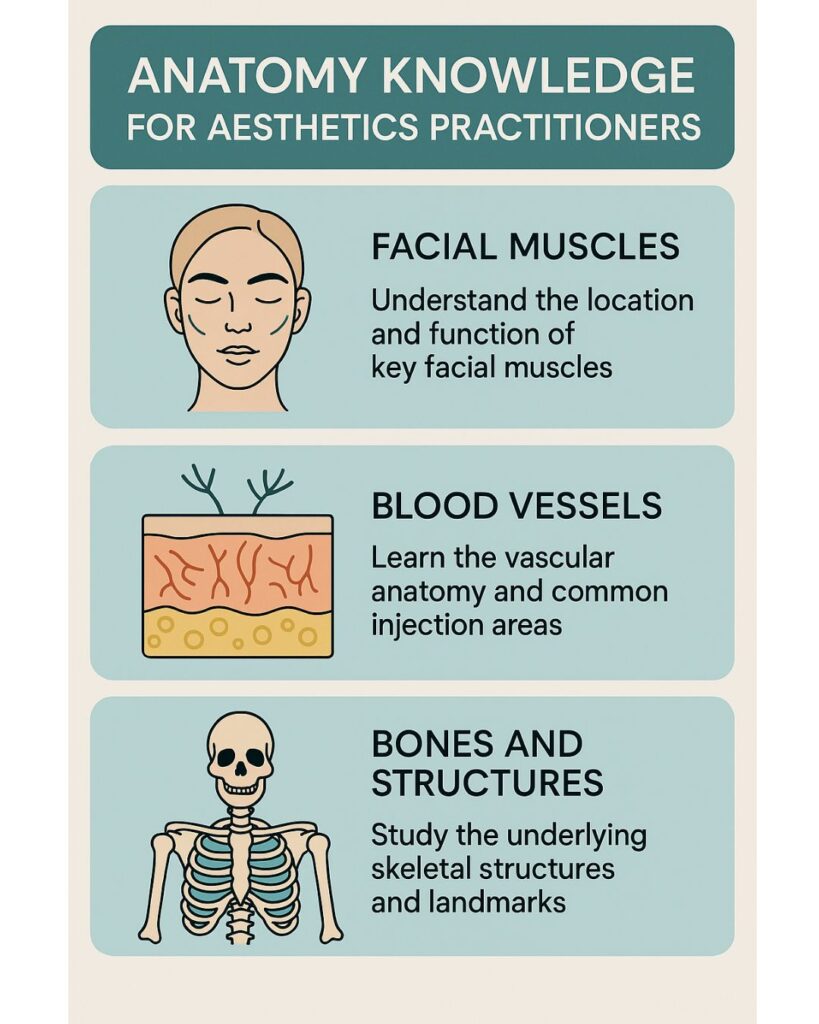
- Talking about safety, anatomy, and suitability
- Explaining how you assess patients
Patients who understand your approach arrive more prepared, more realistic, and more aligned with your values.
Why Clinic Shadowing Improves Client Conversion
Clinic shadowing for aesthetics is not just about injections — it improves how practitioners:
- Communicate with patients
- Handle objections and concerns
- Manage expectations
- Decline inappropriate treatments
Observing experienced clinicians in real consultations helps newer practitioners refine language, tone, and boundaries — all of which directly impact booking rates and patient satisfaction.
Prescriber Relationships and Client Confidence
For non-prescribing practitioners, searches like find a prescriber UK often focus on access. However, patients care less about logistics and more about reassurance.
A strong prescriber framework:
- Enhances perceived professionalism
- Reassures cautious patients
- Demonstrates accountability and safety
When patients sense a structured clinical setup, they are more likely to proceed with treatment — and to return.
Sustainable Growth Is Built on Systems, Not Hustle
The clinics that grow steadily are rarely the loudest online. They rely on:
- Clear consultation systems
- Consistent messaging
- Professional confidence
- Ongoing development and support
They do not chase every client — they attract the right ones.
Frequently Asked Questions
How long does it take to build a client base in aesthetics?
With the right positioning and consistency, many practitioners see momentum within months — not years.
Do I need to post every day on social media to get clients?
No. Quality, clarity, and consistency matter more than frequency.
Why do some newly trained injectors struggle more than others?
Often due to confidence gaps, lack of support, and unclear positioning rather than skill alone.
Does refresher training help with client confidence?
Yes. Practitioners who feel clinically secure communicate more clearly and convert better.
Can focusing on safety really help attract clients?
Yes. Safety is a major trust signal, especially in today’s market.
Is it normal to feel stuck after training?
Very. Many practitioners feel this way without structured post-training support.
Conclusion: Clients Follow Confidence, Clarity, and Trust
Getting clients for your aesthetics business is not about being louder, cheaper, or trendier.
It’s about:
- Feeling confident in your decisions
- Communicating clearly and ethically
- Practising with support rather than isolation
- Building trust before treatment ever begins
When you stop chasing clients and start practising with clarity, growth follows naturally.